
20 Top Ideas For Choosing Currency Exchange Sites
Top 10 Tips For Exchange Rate Margins, In Terms Of Exchange Rates
In the world of international finance, knowing the margins of exchange is essential for anyone who is involved in travelling for business, conducting business, or managing investments across borders. Exchange rate margins are the differences between the purchasing and selling prices of currency. They can have a significant impact on the cost of transactions. These margins differ between providers. They can impact how much money you spend to exchange currency or the amount you earn from investing. If you are aware of the subtleties of exchange rate margins, you'll be able make better choices that will save you money as well as improve your financial results. Below are 10 top suggestions on how to successfully control the exchange rate margins.
1. Find out What is the Exchange Rate Margin is.
The margin of exchange, also known as the spread, is the distinction between prices at which currencies can be bought (ask) and traded (bid). Business, investors and travel individuals should be aware of this notion as it could affect the rate at which you can convert currencies. A lower margin means an improved exchange rate and can lead to better financial decision-making.
2. Comparing the margins of different providers
Different financial institutions and services offer different exchange rates. Before you make any exchanges in currency, make sure to check these margins across multiple providers, such as banks, online platforms and currency exchange kiosks. Websites such XE.com and OANDA provide information on the current rates and margins. They allow you to select the best possible option for your transactions in currency.
3. Understanding the influence of markets on Margins
– The exchange rate margins can be influenced by a variety of variables, including the volatility of the market economic indicators, geopolitical issues. In the case of an abrupt economic crisis or political instability can make margins rise due to the risk of increased. Knowing the market's dynamics can help you anticipate exchange rate changes and make better decisions.
4. Exchange your currency online
The online currency exchange platforms provide more competitive rates and lower costs than traditional banks and physical exchange services. Wise (formerly TransferWise), and Revolut are two companies which offer real-time exchange rates, less fees, and higher margins. When you convert currencies to be used for business or travelling such platforms can make a huge difference in money.
5. Timing Your Currency Exchange
– When you choose to exchange currency, it can affect your margins. Rates of exchange change throughout the day depending on market demand and supply. The ability to monitor these fluctuations can assist you in finding the best exchange rates, and possibly increase your margins. These decisions can be made easier by using tools that track changes in the currency.
6. Strategies for Currency Hedging Leverage
For businesses and investors, currency hedging can be a fantastic method to control the margins of exchange rates. Hedging is the process of locking in future exchange rates by using financial instruments that protect against adverse changes in rates of exchange. This technique can assist companies with international trade to reduce the impact on margins and increase profit stability.
7. Keep an Eye on Economic Indicators
Exchange rates can be affected and their margins impacted by various economic indicators. They include inflation rates or interest rates. For instance, a nation with higher interest rates might draw foreign investment, thereby increasing its currency and reducing the exchange rate margin. These indicators can provide an understanding of the movements of currencies. This will allow you to adjust your strategies.
8. Take into consideration local currency when you travel.
Pay with local currency when you travel instead of your currency at home. You will avoid having to pay for an exchange rate that is dynamic (DCC) which typically comes with unfavorable rates of exchange. In general, making purchases using the local currency will result in an exchange rate that is more favorable exchange. This could lower the overall cost for your purchases abroad.
9. Beware of Hidden Fees
Be aware of hidden costs that currency exchange services charge. Service fees, transaction charges and commissions could all affect the margin you earn. When you decide to exchange currencies, be sure to go through all the fine print and ask about any extra charges.
10. Consult Financial Experts for Large Transactions
Get advice from financial experts or a specialists in currency if you work with large amounts of money or if your foreign transactions with foreign exchange are difficult. They can provide valuable insight. These experts can assist you through understanding the margins of exchange rates, and offer strategies for minimizing costs. These experts could be particularly beneficial to businesses that are involved in international transactions, or to investors who want the best possible rates for currency exchange.
These detailed guidelines on margins for exchange will assist you in navigating the complexities of transactions in currencies, whether you’re travelling or conducting business, managing investments, or both. Learning how to effectively manage exchange rate margins will help you make smarter choices that align your financial goals. You'll save money, and your strategy will be enhanced. See the top rated USD to AUD url for website tips including cad to usd, exchange rate, usd to php, usd to cop, convert gbp to usd, usd to indian rupees, us dollar to japanese yen, usd to cop, usd to inr, dollar to inr and more.
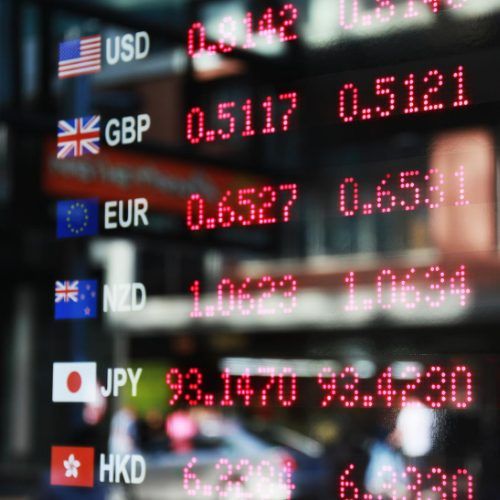
The Top 10 Ways To Choose The Currency Of Your Destination In Terms On Exchange Rates And Rates
Understanding destination currency is essential for those who want to travel internationally, conduct international business, or invest in foreign markets. The destination currency is the currency used in the country you're visiting or engaging with, and it can significantly impact your financial decisions. Fluctuations, conversion fees and the general economic environment will affect your spending while you travel as well as how profitable or effective your business transactions as well as investing are. You can make better financial decisions and optimize your strategies by gaining a better understanding of the currency you will be using. Below are the top 10 specific guidelines for managing the currency of your destination in your financial ventures.
1. Before departing, ensure that you know the currency in the country.
– Prior to traveling to a new destination be sure to investigate the currency in the area. Understanding the local currency's value in comparison to your own is important. Also, be familiar with its denominations. This will help you control your spending better and reduce the amount you pay for goods and services. Websites like XE.com provide live exchange rates as well as historic data, which allows you to gauge how much your cash will be worth abroad.
2. Check exchange rates prior to your travel
– Exchange rates can change dramatically as time passes, and keeping track of these fluctuations can help you determine the best time to exchange your money. Set up alerts that will notify you when exchange rates are favorable using currency tracking apps and tools. If you notice a trend that indicates the currency is weakening, think about exchanging earlier in order to increase your the power to purchase on your travels.
3. Currency Conversion Costs Consider: What are the factors to Be Thinking About?
The costs paid by banks, exchange services, and ATMs for currency conversion can vary greatly. Take note of expenses related to converting your currency from home to the currency of your destination, as these fees can be costly to your budget. Check rates with various service providers and search for websites that offer lower costs and competitive exchange rates.
4. Utilize the local currency when performing transactions
– Always pay in local currency when you make purchases abroad. Do not make purchases using your currency of home. The utilization of the currency you have at home is typically connected with dynamic currency conversion (DCC) and could result in a negative exchange rates and costs. Making payments in local currency lets you take advantage of lower rates and reduce unnecessary costs, ultimately stretching your budget further.
5. Prepare your cash needs in advance
– Although credit and debit cards are widely accepted however, it's still necessary to have some money on hand in case you require to make a small purchase or offer a tip or visit a place that doesn't accept card transactions. Think about withdrawing more funds in one go to cut down on charges for transactions. Examine ATM fees and limits before using an ATM abroad. It is convenient to have local currency available can enhance your experience when traveling and avoid inconveniences.
6. Understanding local payment options
Different countries have different preferences for payment methods. Cash may be king in some areas, while digital payments and credit card use is more prevalent. Examine the payment habits within your local area to discover what types of transactions are accepted. This knowledge can aid you in planning your payment strategies and make sure you are equipped to process transactions with ease.
7. Currency risks to businesses
If you are doing business in a foreign country, keep your eyes open for the potential dangers of fluctuations in currency. Any sudden change in value of the destination currency can impact profit margins and the overall financial performance. Employ hedging strategies, such as forward contracts to secure future exchange rates and minimize the risk of losses caused by fluctuations in currency.
8. Keep Track of Your Spending
Be aware of your expenditure while on holiday in the currency of your destination. Keep track of your expenditure using budgeting software, or keeping a detailed record of all expenses. You'll be able to keep track of how much you spend in the local currency and prevent spending too much.
9. Financial Regulations – Become educated
– Each country has different regulations concerning currency exchange, cash transaction, and reporting obligations. Make sure you are familiar before traveling or conducting any type of business, with these rules. Some countries could limit the amount of cash that you are allowed to bring out, whereas others may require large transactions to be reported. It is essential to stay aware of these rules to be able to navigate the rules without difficulty.
10. Consult a specialist in currency to assist with Investments
If you're looking to track the performance of your foreign investments, speak with experts in currency or international financial advisors. They can offer important insights into the effect changes in the currency of your investment portfolio and can help you develop strategies for managing currency risk. Their experience can be extremely valuable in understanding the complexity of the currencies you are destined to and maximizing your financial results.
You can manage your currency of choice better by following these detailed guidelines. Knowing the implications of destination currency can help you make better informed financial decisions, which align with your objectives. See the top prazskamincovna.sk/czkeur currency for site tips including usd to indian rupees, usd to rs, rmb to dollar, usd to rmb, currency exchange, gpb to usd, currency exchange, us dollar to japanese yen, dinar guru, php to usd and more.